|
Now You See Them
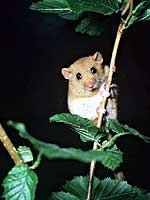
Many British mammals have suffered dramatic declines in numbers, particularly in the last century.
If enough isn't done soon, extinction is not a question of if but when.Of the 66 mammal species that are
ordinarily or seasonally found in the UK, several have experienced dramatic declines in recent years. The big ten that wildlife
experts have highlighted as the most at risk are:
- Water vole
- Red squirrel
- Wildcat
- Pine marten
- Greater horseshoe bat
- Barbastelle bat
- Bechstein's bat
- Bottle-nosed dolphin
- Harbour porpoise
- Northern right whale
A healthy environment is important to all mammals, including humans. Therefore, mammals serve as
excellent indicators of the quality and health of our environment. If their world is disappearing or being degraded, it makes
sense to investigate whether their loss has implications for us.
There are somethings that should be heeded.
(from Aardman Animation)
|
 |
|
![red squirrel [click for larger image]](sitebuildercontent/sitebuilderpictures/squirl10.jpg)
annual surveys are showing an
alarming decline in hedgehog
numbers in the UK. They have
decreased by as much as 50%
in some areas in the last few years.
The reasons for their decline are
not certain. Road death and predation
by badgers are well documented but
between them cannot account for the
dramatic losses that are now seen
while not endangered yet,
the red squirrel's status
is being carefully monitored
Peoples Trust for Endangered Species
helps you to sift the facts
water voles may be the UK's
most rapidly declining mammal
tomorrow's too late
The decline of the barn owl's
habitat in the United Kingdom
continues to be a problem as
a result of road construction
schemes, land drainage and
the loss of
farm buildings.
|
|
|
|
|
|
|
|
|
|
|
|
![red squirrel [click for larger image]](/imagelib/sitebuilder/misc/show_image.html?linkedwidth=actual&linkpath=https://thewildsideoflife.tripod.com/sitebuildercontent/sitebuilderpictures/squirl10.jpg&target=tlx_new)